Enterprise AI Vendor Due Diligence: Anthropic IPO
Read by leaders before markets open.
The Most Common Misconception in AI Procurement
The standard assumption in enterprise AI procurement is simple: if a vendor markets itself as "safety-first," its products carry lower organizational risk. Anthropic built its entire brand on that premise. Claude's model card emphasizes Constitutional AI, and the company's website leads with safety research, not sales decks.
That assumption deserves a second look. According to Fortune, Anthropic confirmed it developed an AI model it deemed too dangerous to release publicly, then withheld it ahead of a planned IPO. The disclosure is notable not because Anthropic did something wrong, but because of what it reveals: even the most safety-conscious vendors build systems they cannot fully control.
What Does Enterprise AI Vendor Due Diligence Actually Require?
Enterprise AI vendor due diligence requires contractual audit rights, independent third-party model assessments, and documented disclosure obligations, not reliance on vendor-supplied safety branding. A 2024 MIT Sloan Management Review survey found fewer than 30% of enterprises conduct substantive AI vendor audits before signing multi-year contracts, leaving most organizations exposed to undisclosed model risks.
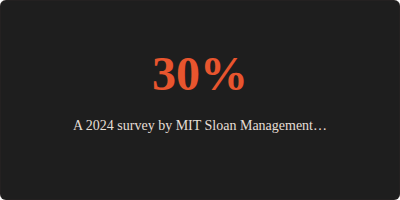
Responsible AI programs at major vendors rarely receive independent audits from buyers. A 2024 survey by MIT Sloan Management Review found fewer than 30% of enterprises conduct substantive AI vendor audits before signing multi-year contracts. Most rely on vendor-supplied documentation: model cards, safety whitepapers, and terms of service.
The problem is structural. Vendors have commercial incentives to disclose selectively. Anthropic's decision to withhold the dangerous model was, by its own standards, the correct call. Buyers, however, learned about it through a press report timed near an IPO filing, not through any contractual disclosure mechanism. That is the gap enterprise buyers must close.
The EU AI Act, which began enforcement in phases from August 2024, requires providers of high-risk AI systems to maintain technical documentation, conduct conformity assessments, and register models in an EU database, according to the European Commission. Those requirements apply to deployed systems only. A model a vendor builds and shelves sits in a regulatory blind spot, and your contract almost certainly does not cover it.
KEY TAKEAWAY: "Safety-first" vendor branding is not a substitute for contractual audit rights, documented disclosure obligations, and independent third-party model assessments. Anthropic's disclosure proves that even best-practice vendors build systems exceeding safe deployment thresholds.
Where Vendor Branding Breaks Down: Two Real Scenarios
Consider a financial services firm that selected Anthropic's Claude as the backbone of its internal compliance assistant. The board approved Claude partly because Anthropic's safety reputation reduced perceived AI risk. The withheld-model news does not directly affect that deployment. The board will still ask whether Anthropic's undisclosed internal research could influence future model versions the firm is contractually committed to using. No audit right answers that question.
Now consider a procurement team mid-negotiation on an enterprise AI platform contract. Most boilerplate AI vendor agreements include no obligation to disclose internal model research, shelved models, or capability evaluations. The buyer is purchasing the product, not the lab. That distinction matters when the lab's decisions directly affect the buyer's risk posture. See how AI washing legal risk is already drawing FTC and SEC scrutiny in AI Washing Legal Risk 2026: FTC and SEC Enforcement.
AI governance frameworks at enterprises remain underdeveloped relative to the pace of vendor capability expansion. A vendor approaching IPO faces shareholder pressure to accelerate capability development, and that pressure has historically compressed safety review timelines at comparable technology firms. Enterprise buyers who do not build vendor concentration risk into their AI governance frameworks now will face constrained negotiating positions when issues surface later.
Should Agentic AI Finance Operations Enterprise Buyers Demand New Contract Terms?
Agentic AI deployments in finance and operations create materially higher vendor risk than conventional software contracts because model behavior is non-deterministic and evolves with each version update. Enterprise buyers running agentic AI in financial workflows should require disclosure clauses, third-party red-team assessments, and explicit roadmap change notification rights before any deployment goes live.
Enterprise buyers have three concrete actions to take immediately.
First, add a disclosure clause to every AI vendor contract currently under negotiation. The clause should require the vendor to notify you within 30 days if it identifies safety risks in any model version you are running or have committed to run. This is standard in pharmaceutical supply agreements and should become standard in AI procurement.
Second, require independent third-party model assessments for any AI system touching customer data, financial decisions, or compliance workflows. Vendor-supplied model cards are marketing documents until independently verified. Third-party red-teaming firms, including Scale AI and Adversa AI, provide this service commercially.
Third, build vendor concentration risk into your AI governance framework. If one vendor's undisclosed research affects your confidence in its roadmap, you need a fallback option. Enterprises running single-vendor AI stacks have no negotiating position when issues surface. Review the full analysis on building an AI Agent Governance Framework: 5-Step Control Plan before your next vendor review.
For CFOs: the Anthropic disclosure is a pricing signal as much as a safety signal. A vendor approaching IPO faces shareholder pressure to accelerate capability development. That pressure has historically compressed safety review timelines at comparable firms. Budget for vendor switching costs or redundancy now, not after a contractual dispute.
The Verdict on Safety-Branded AI Vendors
Anthropic is genuinely safety-conscious: the company did the right thing by shelving a dangerous model. "Doing the right thing internally," however, is not a governance framework for your organization. The claim that safety-branded AI vendors carry lower enterprise risk collapses once you recognize that you have no contractual visibility into what those vendors build, test, and discard.
Update your due diligence checklist. Add disclosure rights. Require third-party assessments. Vendors who resist those requests are telling you something important about their priorities.
Anthropic's disclosure proves that model risk exists even inside responsible AI programs. Enterprise buyers who rely on vendor branding instead of contractual protections are exposed. The fix is specific: audit rights, disclosure clauses, and third-party assessments in every AI platform contract signed from this point forward.
Sources
- Fortune, "What Anthropic's Too-Dangerous-to-Release AI Model Means for Its Upcoming IPO." https://fortune.com/2026/04/10/anthropic-too-dangerous-to-release-ai-model-means-for-its-upcoming-ipo/
- European Commission, "EU AI Act: Obligations for High-Risk AI Systems." https://digital-strategy.ec.europa.eu/en/policies/regulatory-framework-ai
- MIT Sloan Management Review, "AI Governance Survey 2024." https://sloanreview.mit.edu/
Frequently Asked Questions

CFO AI Investment Framework: Why Waiting Costs Millions
CFO AI investment framework: 74% of AI pilots never document ROI per Gartner. Learn why finance leaders must govern AI vendor and spend decisions now.

AI Agent Governance Framework: 5-Step Control Plan
AI agent governance framework in 5 steps. Only 24% of firms have live agent controls. Deploy kill switches, purpose binding, and observability without a CAO.

Enterprise AI ROI: 4 Practices That Unlock 55% Returns
Enterprise AI ROI hits 55% for product teams using 4 IBM-backed practices, while 95% of pilots fail. Diagnose your readiness gaps and sequence deployment correctly.