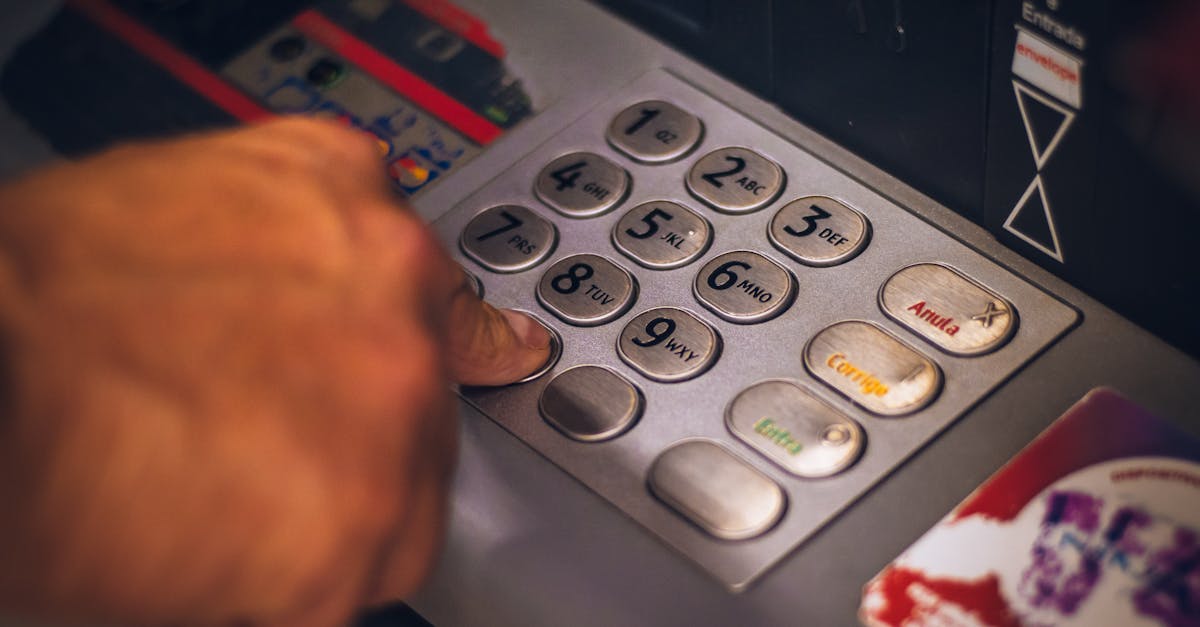
Banking security technology and fraud detection systems
AI & Finance

AI Fraud Detection ROI: Why Banks Can't Ignore $40B in Savings

Visa blocked $40 billion in fraudulent transactions in the twelve months ending September 2023, nearly double its prior-year figure, according to CNBC. Before any CFO signs a multi-year contract based on that number, they need to know what it actually measures, what it does not, and where comparable results collapse inside real organizations. What the Studies Actually Tested AI fraud detection ROI is real at network scale but not uniformly replicable. Visa’s $40 billion in prevented fraud (October 2022–September 2023), Mastercard’s finding that 42% of issuers saved $5 million or more over two years, and JPMorgan Chase’s $1.5 billion in AI-driven savings all reflect genuine economic value, but each measures a different thing using a different methodology, and none includes a control group. ...

March 25, 2026 · 7 min read · Editorial Team
Digital visualization of AI fraud detection system with financial data streams and security monitoring interface
Enterprise Tech

How to Deploy AI Fraud Detection: 5 Implementation Pitfalls and Go/No-Go Checkpoints

Visa’s AI fraud detection system blocked more than $40 billion in fraudulent transactions in a single year, but Visa spent nearly a decade building the data infrastructure behind that result. Most banks that attempt to replicate it in 12 months fall well short: they produce false positive rates that alienate customers, suffer model drift that quietly erodes detection accuracy, and face regulatory auditors who reject black-box explanations. This guide is for the project lead or C-suite executive who has already decided to deploy AI fraud detection and now needs to avoid the most common and costly failures. ...

March 25, 2026 · 7 min read · Editorial Team
Artificial intelligence security and digital fraud prevention systems
Risk & Compliance

The AI Fraud Arms Race: What the Research Shows About Detection ROI, and Where It Breaks

JPMorgan Chase reported blocking over $15 billion in fraud attempts in 2023 using AI-powered detection, then watched its fraud team scramble the following year as criminals deployed the same technology to build attacks those models had never seen. This is not a metaphor. It is the operating reality every CFO and Chief Risk Officer inherits when they sign an AI fraud contract. Fraud-related losses across U.S. financial services reached $12.5 billion in 2024, up 25% from 2023, according to Wolters Kluwer. AI-enabled fraud surged 1,210% between 2023 and 2025, according to BIIA. Those two numbers sit in the same balance sheet. Understanding what research actually proves about AI fraud detection, and what it does not, is the difference between sound capital allocation and an expensive false sense of security. ...

March 25, 2026 · 12 min read · Particle Post Editorial Team